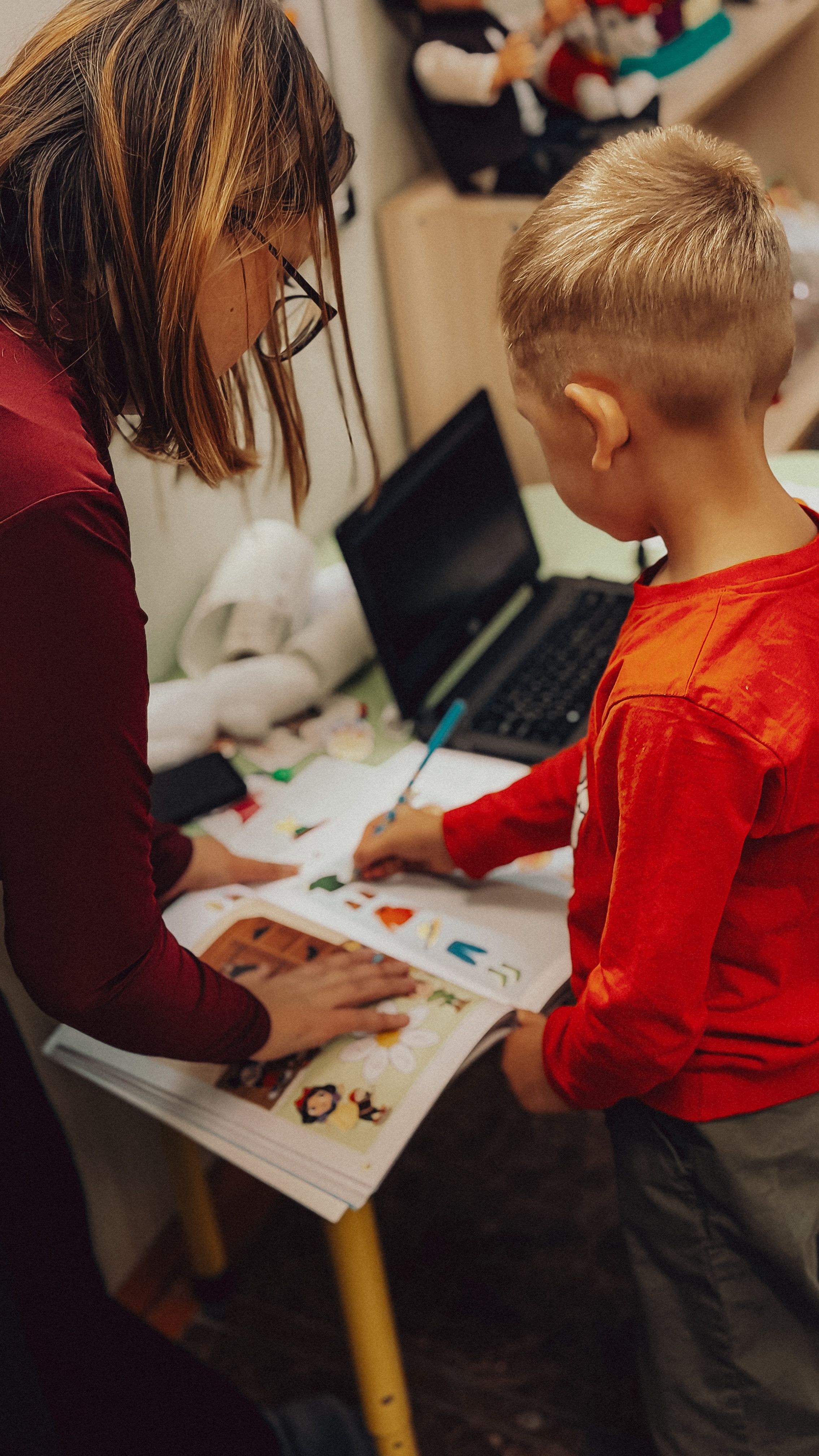
Booking a first speech therapy session can feel daunting. Most parents have no frame of reference for what's about to happen. Will my child be tested? Will I have to do something? Will we get a diagnosis at the end?
This article walks through what typically happens, so you can show up prepared and feel less anxious.
Key takeaways
A first session is usually about getting to know you, your child, and your concerns
Expect informal observation and conversation, not a formal test
You won't always get a clear diagnosis at the end, that often takes longer
The therapist will explain next steps based on what they observe
Before the session
Most therapists will ask you to complete a short intake form before the first appointment. This typically asks about:
Your child's age, school, and family situation
Any previous assessments or reports
What you're worried about
Any medical history relevant to communication (hearing, ear infections, surgeries)
What languages are spoken at home
Filling this in honestly and in detail saves time in the session itself.
Setting up at home (for online sessions)
If your session is online:
Choose a quiet, well-lit room
Have your child's favourite toys or books to hand if they're young
Test your camera, microphone, and internet beforehand
Have a snack and drink ready. Sessions can be tiring for young children
Aim to log in 5 minutes early to settle in
What happens during the session
A typical first session lasts 45-60 minutes and looks something like this:
The first 10-15 minutes: you and the therapist talk. They'll ask about your concerns, your child's history, and what you're hoping to get from therapy. Be honest, even if your worries feel small.
The next 20-30 minutes: the therapist engages with your child. For young children this looks like play (puzzles, books, toys). For older children it might be conversation, picture descriptions, or simple games. The therapist is observing your child's speech, language, attention, and play in a relaxed setting.
The final 10-15 minutes: the therapist gives you initial feedback. They'll share what they noticed, what areas they'd like to explore further, and what next steps they recommend.
What you might be asked to do
For toddlers and pre-schoolers, the therapist will often want you involved throughout. They might ask you to play with your child while they observe how you interact. This isn't a test of your parenting, they're watching for patterns that help them understand your child's communication.
For older children, the therapist usually works directly with the child while you observe or step away briefly.
What you won't necessarily get
Some parents arrive expecting a clear diagnosis at the end of the first session. That's not usually how it works.
In a single session, a therapist can:
Identify whether there's a likely speech or language difficulty
Suggest the broad area (e.g. "language delay" or "speech sound difficulty")
Recommend whether further assessment is needed
Begin to suggest a therapy plan
Detailed diagnosis often requires standardised assessments, multiple sessions, or input from other professionals (audiologists, paediatricians, educational psychologists).
Common emotions parents feel
It's normal to feel:
Relief at finally talking to someone who understands
Worry if the therapist suggests a difficulty
Reassurance if your child does well in the session
Confusion if the therapist doesn't give a clear diagnosis straight away
Tired afterwards. Sessions involve a lot of information
All of these reactions are common. A good therapist will check in with how you're feeling and welcome your questions.
What questions to ask
Useful questions for the end of the session:
What did you notice about my child's communication today?
What do you think the underlying issue might be?
How many sessions do you typically recommend for this?
What can I do at home to support progress?
Will I get a written summary?
When should we book the next session?
What happens next
After the session, your therapist will typically:
Email or upload a brief summary of observations
Suggest a treatment plan (number of sessions, frequency, focus)
Recommend any home activities
Flag anything that might need referral to another professional
You're never obligated to commit to ongoing therapy after a first session. Take time to think about it, talk to your partner, and book the next session when you're ready.
Tips for the day
For young children: time the session for when your child is rested and not hungry
For older children: explain in simple terms what's happening, "we're going to talk to a teacher who helps with talking"
For yourself: have a notebook ready to jot down anything the therapist says
For the post-session: plan something simple for after, a walk, a snack, downtime
The bottom line
A first speech therapy session is a conversation, not an exam. The therapist's job is to understand your child, share their observations, and help you decide what to do next. Show up with your concerns and your questions, and let the rest unfold naturally.
References
Related on Lingo
Source
https://www.iaslt.ie/This article is based on current peer-reviewed research and clinical guidelines. It is intended for informational purposes and does not replace professional clinical advice.